

Prophetic Resilience Lessons in Patience, Gratitude, and Prayer from Badr to Mecca

In life's unfolding, we often find ourselves facing challenges that test our resolve, stir our anxieties, and make us question the path forward. These moments can feel overwhelming, yet they offer a profound opportunity to draw strength from the timeless guidance of Islam. The journey of our beloved Prophet Muhammad ﷺ, from the perilous Battle of Badr to the triumphant Conquest of Mecca, stands as an enduring testament to the transformative power of patience, the beauty of gratitude, and the profound solace found in heartfelt prayer.
Reliable Islamic references discuss virtue of du’a in detail.
The Pivotal Stand at Badr Sustaining Faith Amidst Adversity
The Battle of Badr, in the second year of the Hijrah, represented a clash not merely of armies, but of spiritual resolve against overwhelming odds. The nascent Muslim community, numbering just over three hundred, faced a well-equipped Quraishi force three times its size. This was a moment of immense trial, where the very existence of Islam seemed to hang in the balance. It was here that the Prophet Muhammad ﷺ exemplified an extraordinary level of tawakkul, absolute trust in Allah, coupled with fervent supplication. He spent the night before the battle in intense prayer, imploring his Lord for victory, so much so that Abu Bakr (RA) had to gently reassure him, saying, 'O Messenger of Allah, your Lord will surely fulfill His promise to you.' This deep reliance on Allah, alongside meticulous preparation and strategy, underscores the active nature of tawakkul.
Patience Through Persecution and Perseverance
The period following Badr was marked by continuous trials and tribulations, including the setback at Uhud and the harrowing siege of the Battle of the Trench (Khandaq). During these years, the patience of the Prophet ﷺ and his companions was stretched to its limits. When the confederate armies besieged Madinah during Khandaq, starvation, cold, and fear gripped the Muslims. Yet, the Prophet ﷺ did not waver; he shared in their hardships, digging the trench alongside them and offering words of encouragement and prophetic supplications. Anas ibn Malik (RA) reported that on the day of Al-Khandaq, the Muhajirun and the Ansar were digging a trench in bitterly cold weather, and he mentioned how the Prophet ﷺ lifted their spirits. This steadfastness, sabr, was not a passive endurance but an active resilience, rooted in their conviction in Allah's ultimate plan and Divine Grace (Fadl Allah). It taught them that true strength lies not in immediate gratification but in persistent faith.
Gratitude in Every State Acknowledging Divine Blessings
Throughout these challenging times, the Prophet Muhammad ﷺ consistently demonstrated profound gratitude, shukr, regardless of circumstances. Even after great victories, he would increase his worship and prostration in thankfulness to Allah. Aisha (RA) reported that the Prophet ﷺ used to pray during the night until his feet became swollen. When she asked him why he exerted himself so much when his past and future sins had been forgiven, he replied, 'Should I not be a grateful slave of Allah?' (Sahih Bukhari, Book of Tafsir, Hadith 4837). This highlights that gratitude was not just a reaction to good fortune but a continuous state of being, a cornerstone of his spiritual life. It is through this lens of gratitude that one can perceive blessings even amidst difficulty, a powerful antidote to despair.
The Unseen Strength of Prophetic Supplications
From the desperate plea at Badr to the final entry into Mecca, the Prophet's ﷺ prayers were a constant wellspring of strength and comfort. His duas were not merely requests but expressions of deep connection, submission (Islam/Istislam), and absolute trust. Before Badr, he supplicated with intensity. During the siege of Khandaq, he made specific duas against the confederates. In moments of personal distress, he taught us to turn to Allah with specific invocations. This constant reliance on prayer is a powerful lesson for us. Whenever anxiety or fear grips your heart, consider reflecting on the profound peace found in Prophetic Supplications for Calming the Anxious Heart. The Quran reminds us of the power of turning to Allah:
"And your Lord says, "Call upon Me; I will respond to you." Verily, those who disdain My worship will enter Hell in humiliation." (Ghafir 40:60)
Speaking with a sister recently who was facing immense challenges with her health and the loss of her business, she shared how consistent daily prayers and making dua, especially in the last third of the night, transformed her outlook. She found strength and peace she hadn't known she possessed, a direct reflection of leaning on Allah as the Prophet ﷺ did.
The Conquest of Mecca Humility and Divine Fulfilment
The ultimate triumph, the Conquest of Mecca, was not achieved through brute force or vengeful reprisal, but through a patient, strategic, and divinely guided effort. Entering Mecca, the Prophet Muhammad ﷺ was not ostentatious but bowed in humility, reciting Surah Al-Fath. This was the culmination of years of patience, unwavering faith, and continuous prayer. It demonstrated that true victory comes with humility and an overwhelming sense of gratitude to Allah. The Prophet ﷺ immediately cleansed the Kaaba of idols, re-establishing the pure monotheism (Tawhid) for which he had striven. This moment perfectly encapsulated the rewards of steadfastness and sincere devotion to Allah, showing how Divine support manifests for those who remain patient and grateful.
Cultivating Prophetic Virtues in Contemporary Life
The lessons from Badr to Mecca are not mere historical accounts; they are a living blueprint for navigating the complexities of modern life. In an age of instant gratification and constant digital distraction, cultivating sabr (patience) becomes a radical act of faith. Practicing shukr (gratitude) can shift our perspective from what we lack to what we have been blessed with. And consistent prayer, with khushu (devotion) and ikhlas (sincerity), is our direct line to the Creator, especially when the demands of daily life, work, and family become overwhelming. Applying these prophetic examples can unlock immense barakah in our homes and relationships. For example, considering The Prophet’s Way Unlocking Barakah in Your Family Through the Quran can provide practical steps.
Spiritual Commentary & Explanation
Emulating the Prophet Muhammad's ﷺ journey from Badr to Mecca offers profound insights for our own lives. It's easy to feel overwhelmed by the fast pace and pressures of the digital age, leading to anxiety and a sense of disconnection. However, by consciously integrating patience, gratitude, and prayer into our daily rhythm, we can build inner resilience and strengthen our connection with Allah. This is not about achieving perfection overnight, but about consistent, sincere effort.
- Start your day with gratitude: Before checking your phone or engaging with the world, take a few moments to thank Allah for three specific blessings in your life, no matter how small.
- Practice patience in daily interactions: When faced with frustration, whether in traffic, with colleagues, or within your family, pause and consciously choose a patient response, remembering that true strength is in self-restraint and seeking Allah's help.
- Dedicate specific times for focused prayer: Beyond the obligatory prayers, set aside a few minutes each day for personal dua, pouring out your heart to Allah, trusting Him fully, just as the Prophet ﷺ demonstrated.
- Reflect on challenges as opportunities for spiritual growth: View difficulties not as punishments, but as tests that allow you to practice sabr, strengthen your tawakkul, and draw closer to Allah through increased supplication.
By consistently applying these prophetic virtues, you will begin to notice a profound shift in your inner state, finding peace, strength, and barakah that transcends worldly circumstances. This is the enduring legacy of our Prophet ﷺ, a path open to us all.
Editor: Yusuf Abdullah
Islamic Counsellor & Spiritual Mentor
Specializes in faith-based counseling, inner peace, tawakkul (trust in Allah), and practicing patience in modern life.
Share This Article
Categories
Recent Prayers
Prophetic Resilience Lessons in Patience, Gratitude, and Prayer from Badr to Mecca
3 months ago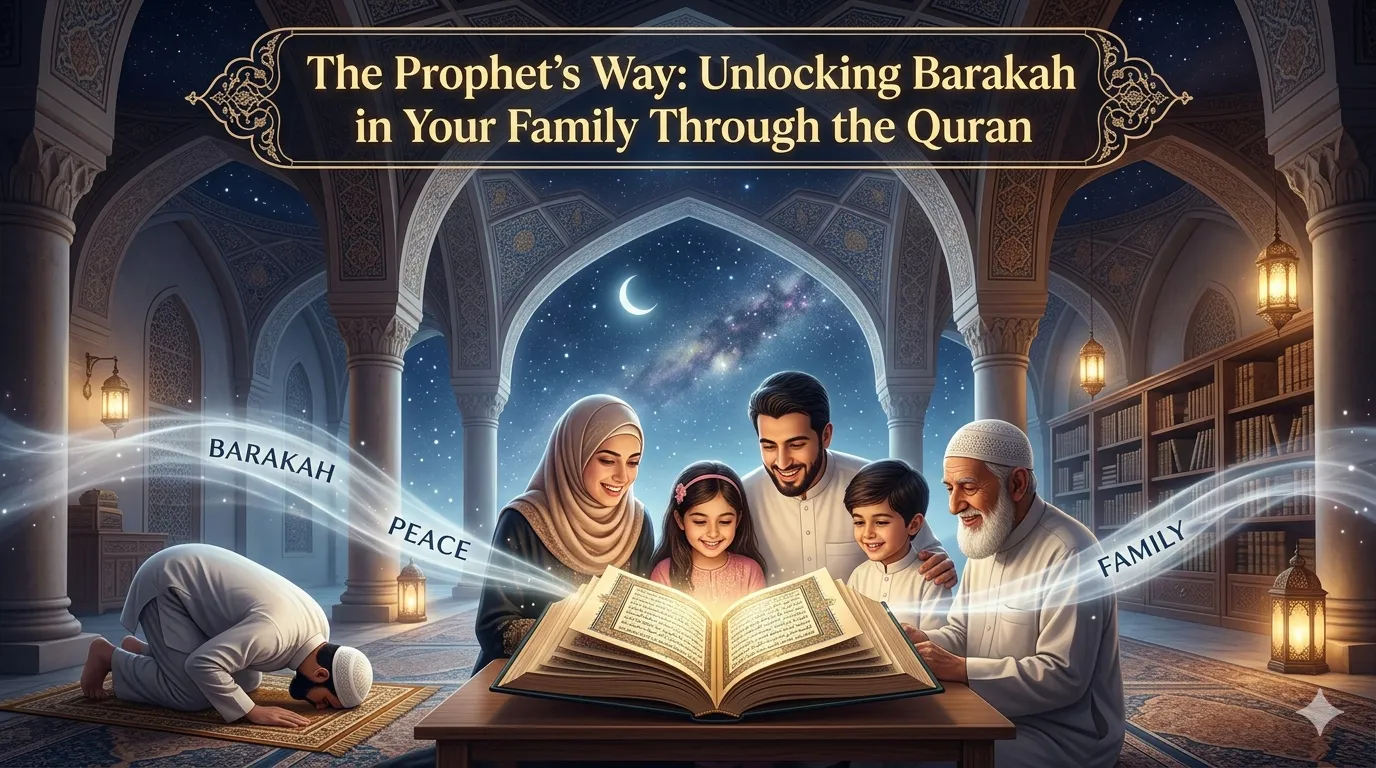
The Prophet’s Way Unlocking Barakah in Your Family Through the Quran
3 months ago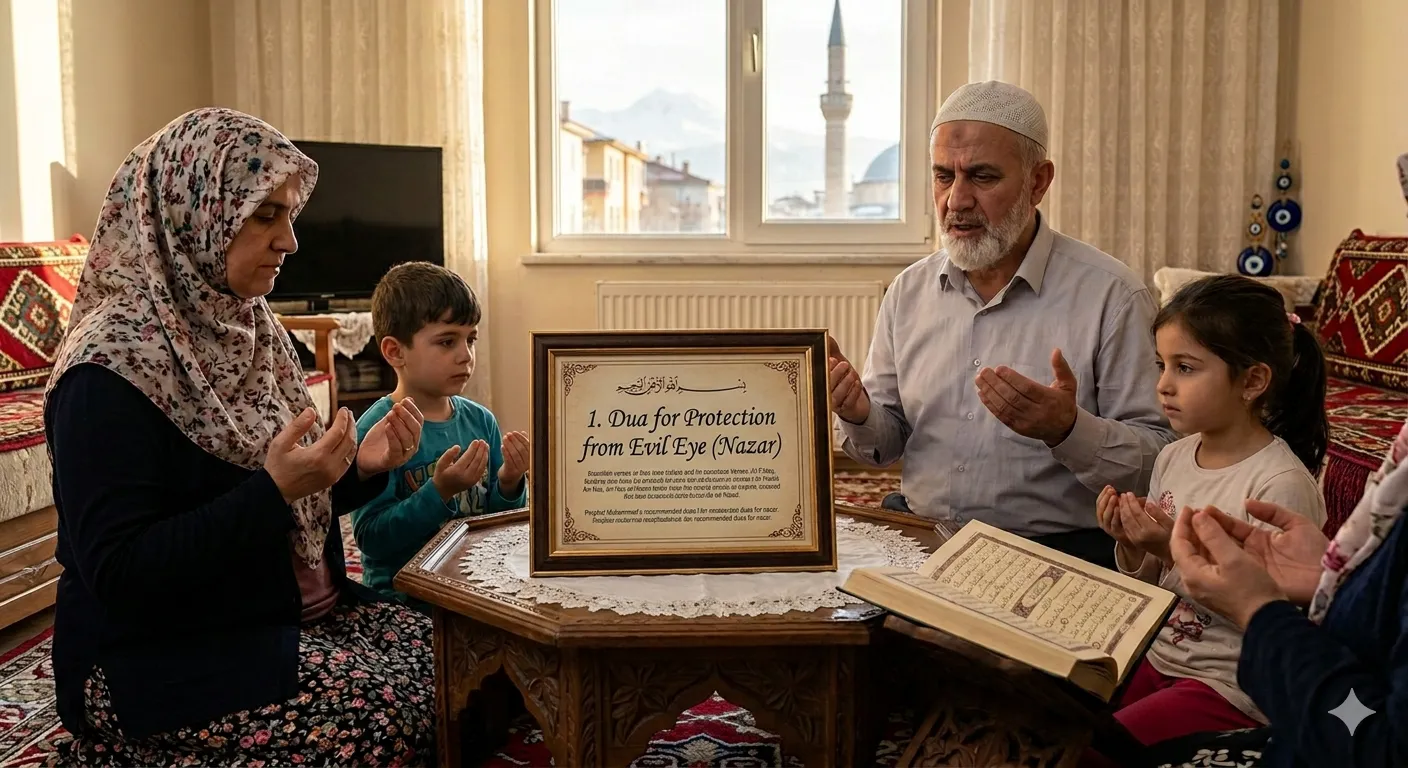
Dua for Protection from Evil Eye (Nazar)
3 months ago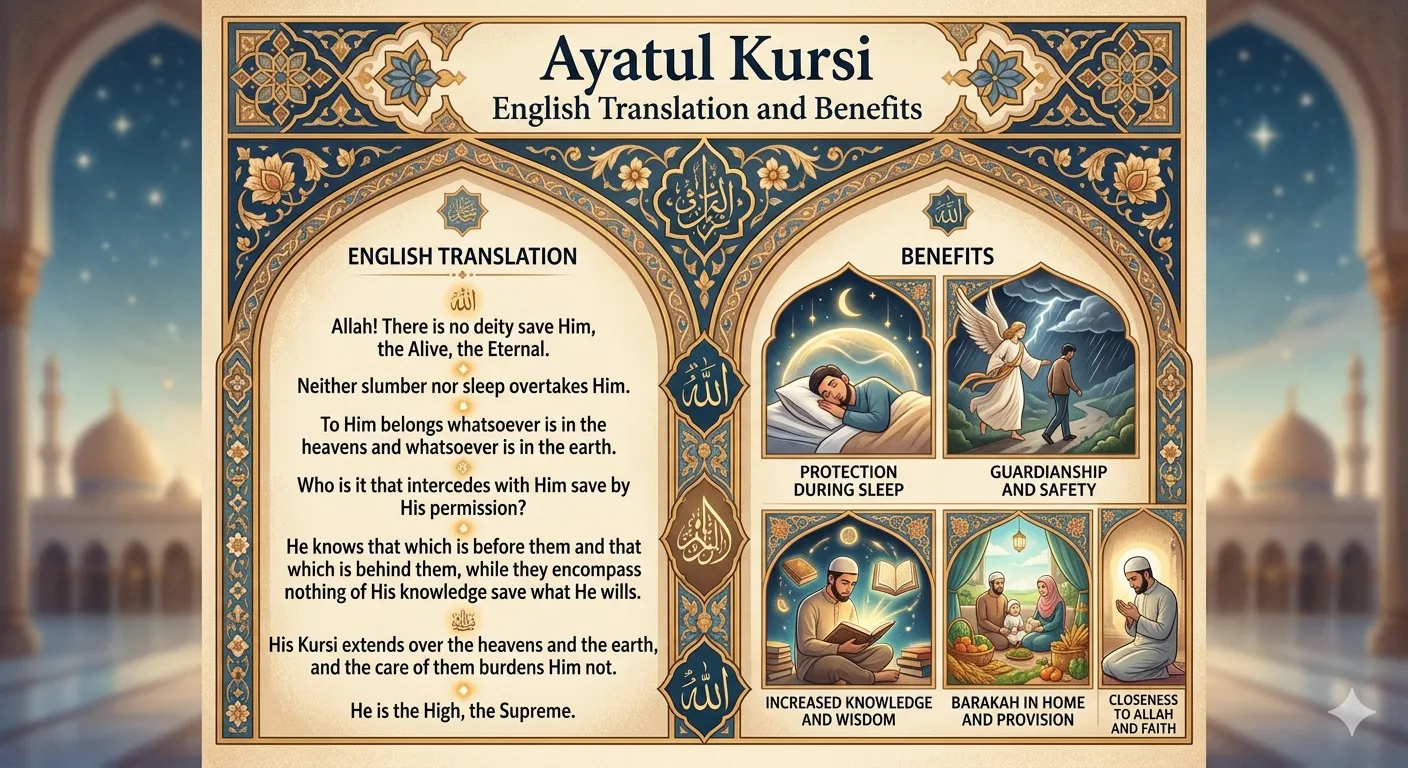
Ayatul Kursi English Translation and Benefits
3 months ago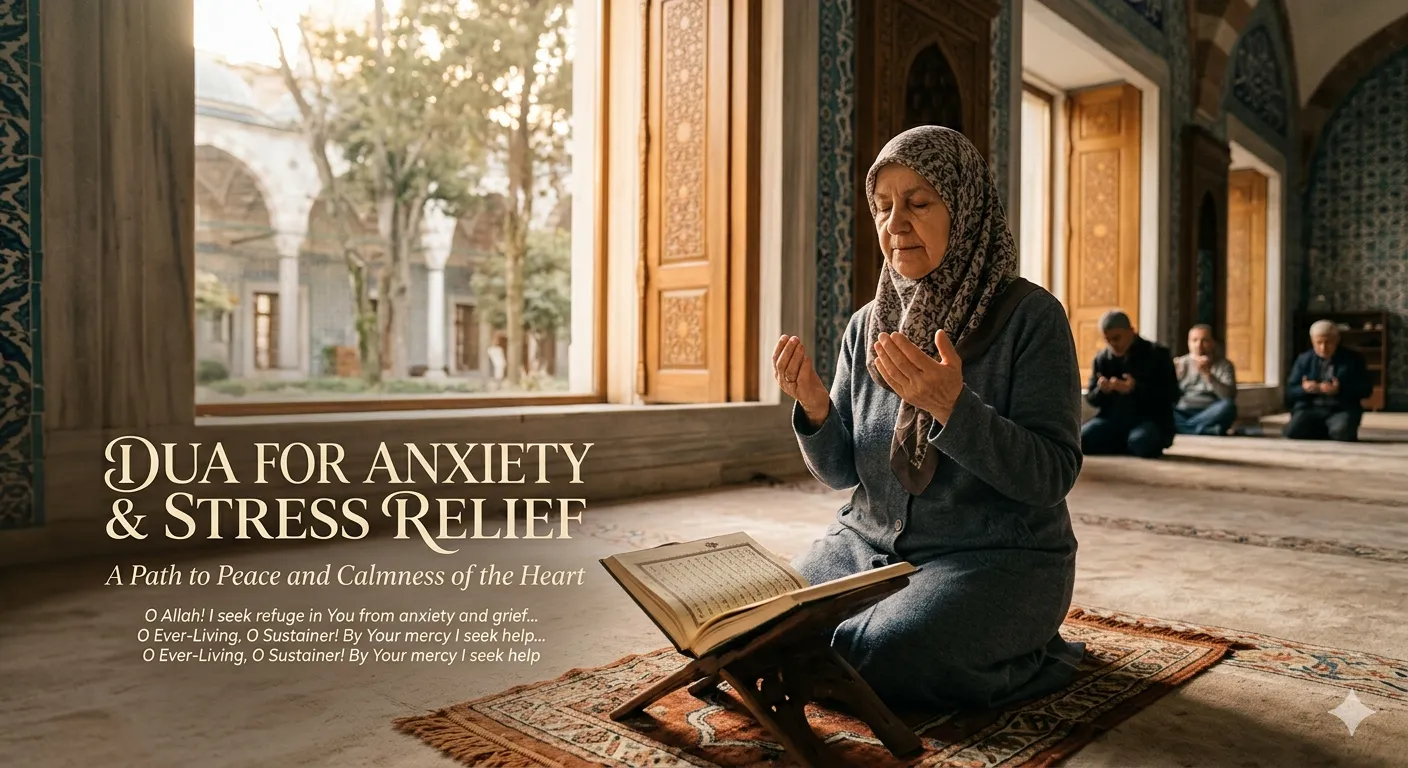
Prophetic Supplications for Calming the Anxious Heart
3 months agoOur Mobile App
Download our Faziletli Dualar mobile app to access all supplications and spiritual guides instantly from your phone.
Download NowPopular Prayers
My mercy encompasses all things. (Quran 7:156)