

Prophetic Supplications for Calming the Anxious Heart
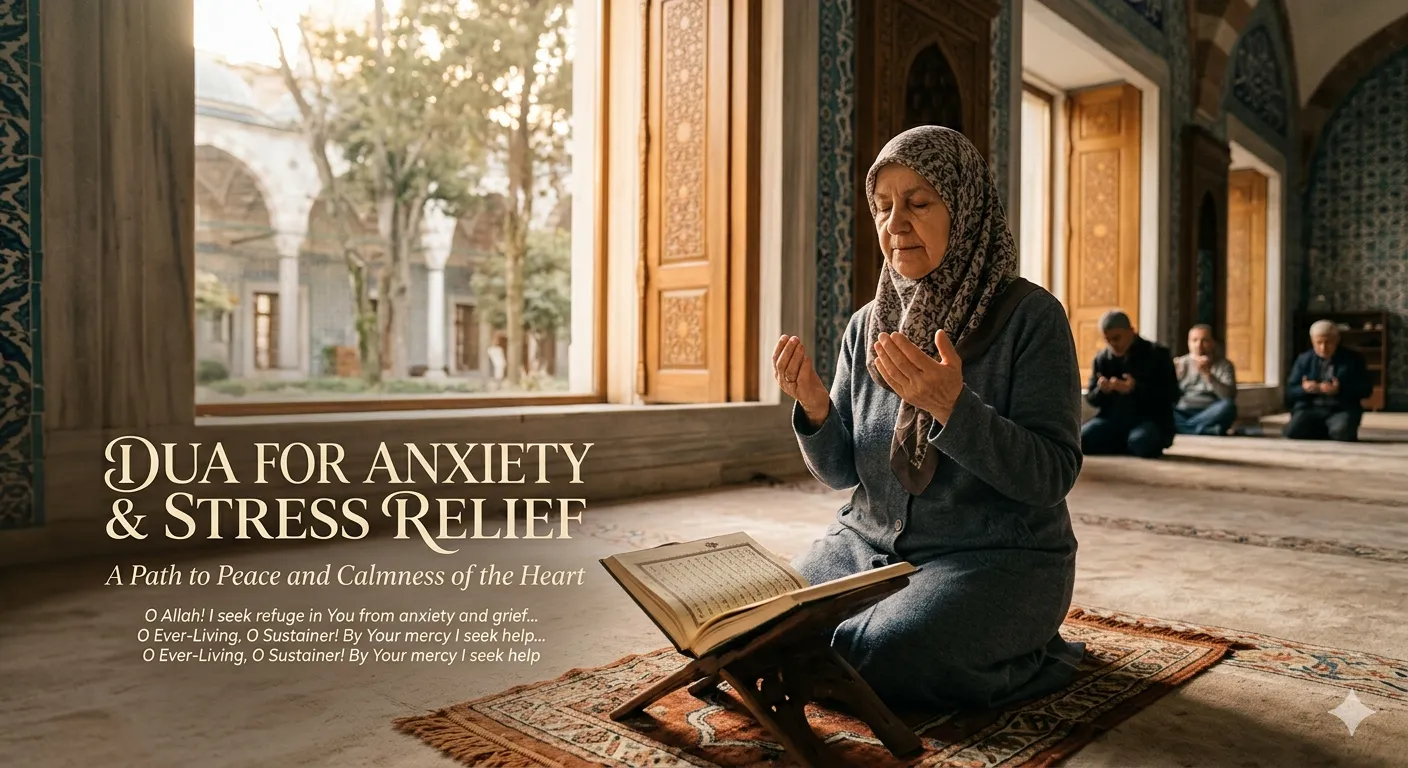
Anxiety has become one of the defining experiences of modern life, quietly shaping how we interact with our families, perform at work, and experience our faith. In our hyper-connected world, the mind is constantly bombarded with sensory inputs and notifications that fuel a state of chronic worry. While modern psychology offers various coping strategies, Islam provides a comprehensive framework that addresses the very root of human vulnerability by connecting the heart directly to its Creator.
This spiritual alignment is built upon the foundational pillars of Tawakkul and Istislam. Supplication, or dua, is not a passive wish, but an active, spiritual labor that transforms how we perceive our daily trials. By calling upon the Divine, we shift our focus from our limited capabilities to the absolute power of Allah, welcoming Divine Grace (Fadl Allah) into our lives.
The Divine Remedy for Restlessness
To find genuine relief, we must first recognize the deep connection between the remembrance of Allah and the stability of the human heart. The Quran explicitly establishes this link, offering a timeless truth that transcends our daily struggles. When the weight of responsibilities threatens to overwhelm us, returning to the words of our Creator provides immediate perspective.
As Allah declares in the Quran:
"Those who have believed and whose hearts are assured by the remembrance of Allah. Unquestionably, by the remembrance of Allah hearts are assured." (Ar-Ra'd 13:28)
This assurance is not merely a temporary emotional lift, but a structural change in how we process stress. Modern cognitive research indicates that regular prayer and deep contemplation can lower stress hormones and calm the nervous system. By integrating this Quranic truth, we elevate our daily remembrance from a repetitive habit into a profound practice of Tazkiyah al-nafs.
Prophetic Supplications for Relieving Distress
The Prophet Muhammad ﷺ did not merely teach us to endure anxiety silently, but gifted us specific, structured words to actively combat worry and grief. These prayers are highly precise, addressing both the psychological weight of the past and the fear of the future. By repeating these supplications, we learn to articulate our fears in a constructive, spiritual manner.
Anas bin Malik (RA) narrated that the Prophet ﷺ used to say:
"O Allah, I seek refuge in You from anxiety and sorrow, weakness and laziness, miserliness and cowardice, the burden of debts and from being overpowered by men." (Sahih Bukhari, Book of Jihad 83)
This comprehensive dua targets the exact sources of human stress, including financial strain and emotional paralysis. When we recite this, we are actively seeking protection from the states that hold us back from spiritual progress (Suluk). It reminds us that our vulnerabilities are human, but our ultimate refuge is divine.
Transforming Worry into Worship
Speaking with a sister recently who was completely overwhelmed by corporate pressures and family expectations, she shared how these prophetic supplications transformed her daily routine. She had been treating her prayers as a checklist, rushing through them to return to her endless tasks. Once she began slowing down to comprehend the meanings of these duas, she experienced a profound shift in her daily focus.
Her experience highlights the necessity of Khushu in our worship. To truly benefit from the prophetic remedies, we cannot merely utter them on autopilot while scrolling through our phones. We must create quiet moments of genuine vulnerability before Allah, allowing our hearts to fully submit to His wisdom and timing.
This intentional engagement brings Barakah into our limited time and effort. It shifts our state from anxious micromanagement to active Tawakkul, where we do our absolute best in the physical realm while leaving the outcomes entirely to the One who controls all affairs.
Spiritual Commentary & Explanation
Living with anxiety can make you feel isolated, but practical, faith-centric habits can ground your daily routine. By establishing consistent boundaries and routines, you can cultivate Taqwa and maintain internal stability. Here are actionable ways to integrate these prophetic remedies into your daily life:
- Establish a dedicated morning dhikr routine immediately after the Fajr prayer, spending ten minutes reciting the morning supplications before opening your phone or checking emails.
- Slow down your physical posture during prayer by consciously lengthening your prostration (sujud) and making direct, personal supplications in your own language during this closest point to Allah.
- Set healthy boundaries with digital screens, especially during the first hour of your day and the last hour before sleep, replacing mindless scrolling with the quiet recitation of Istighfar.
- Connect your spiritual efforts with physical action by maintaining a clean living environment and engaging in regular physical movement, acknowledging that your body is a trust (Amanah) from Allah.
As you implement these steps, remember that spiritual progress is a gradual process rather than an overnight transformation. Be gentle with yourself during periods of low energy or heightened stress, knowing that every sincere effort is seen and valued by the Creator. By anchoring your heart in daily remembrance, you invite sustained peace and resilience into your modern lifestyle.
Editor: Mariam Siddiq
Spiritual Wellbeing Advisor
Helps individuals navigate stress, anxiety, and mental health challenges using faith-centered supplications and holistic healing.
Share This Article
Categories
Recent Prayers

Prophetic Resilience Lessons in Patience, Gratitude, and Prayer from Badr to Mecca
3 months ago
The Prophet’s Way Unlocking Barakah in Your Family Through the Quran
3 months ago
Dua for Protection from Evil Eye (Nazar)
3 months ago
Ayatul Kursi English Translation and Benefits
3 months ago
Prophetic Supplications for Calming the Anxious Heart
3 months agoOur Mobile App
Download our Faziletli Dualar mobile app to access all supplications and spiritual guides instantly from your phone.
Download NowPopular Prayers
So remember Me; I will remember you. (Quran 2:152)