

The Prophet’s Way Unlocking Barakah in Your Family Through the Quran
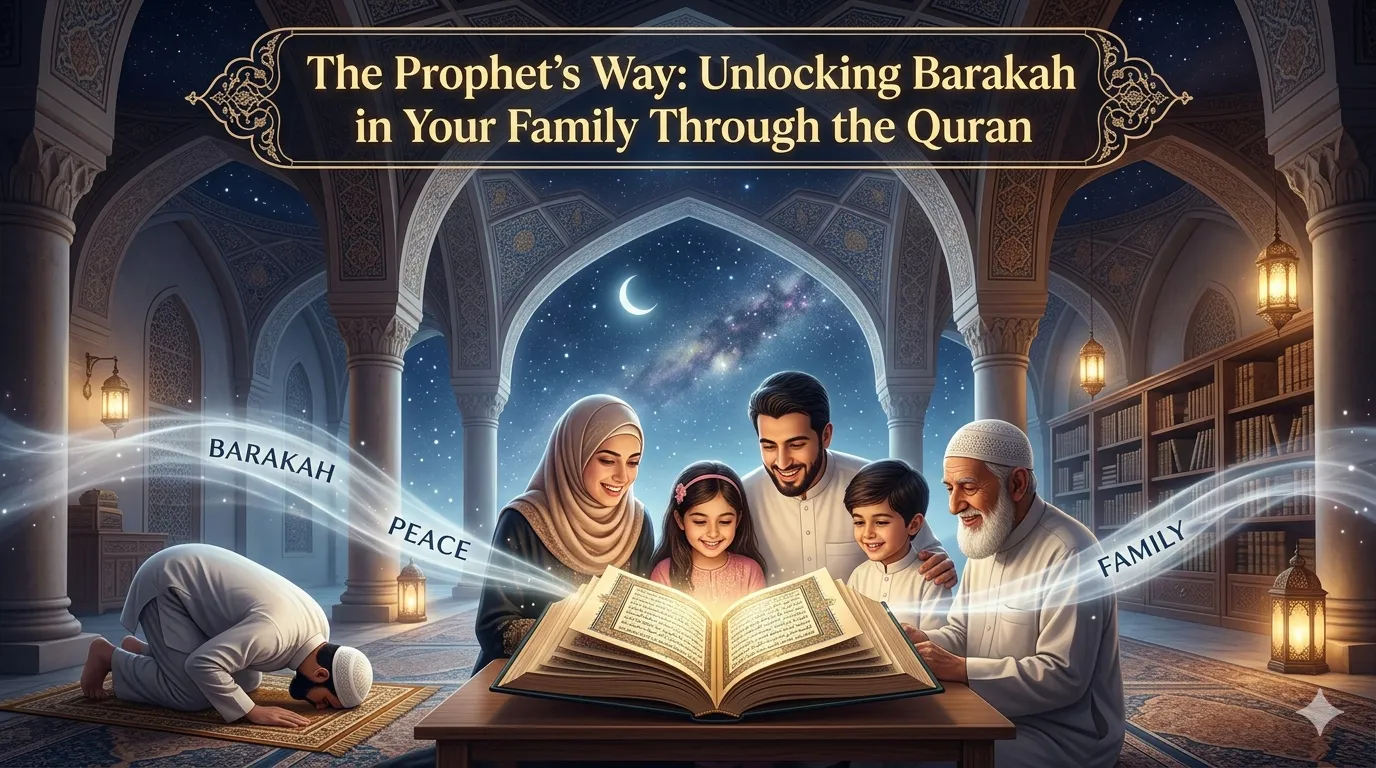
The family unit stands as the foundational pillar of any healthy society, and in Islam, its sanctity and stability are profoundly emphasized. Within the daily rhythm of life, maintaining harmony among family members can sometimes feel like a delicate balance. Yet, the Quran and the Sunnah of our beloved Prophet Muhammad ﷺ offer profound guidance and practical wisdom, providing a spiritual compass for navigating relationships and cultivating an environment of peace, love, and mutual respect within the home.
Love and Mercy as Foundations of Marriage
At the heart of the Islamic family lies the marital bond, a relationship described by Allah ﷻ as one of tranquility and affection. True harmony between spouses stems from a deep understanding of each other's rights and responsibilities, anchored in compassion and patience. The Quran eloquently reminds us of the divine purpose behind this sacred union, not merely as a contract, but as a source of spiritual comfort and mercy.
"And of His signs is that He created for you from yourselves mates that you may find tranquility in them; and He placed between you affection and mercy. Indeed in that are signs for a people who give thought." (Ar-Rum 30:21)
This verse encapsulates the essence of marital harmony: tranquility (sakinah), affection (mawaddah), and mercy (rahmah). The Prophet Muhammad ﷺ perfectly embodied these qualities in his own marriages, teaching us through his conduct to be gentle, understanding, and forgiving towards our spouses. Aisha (RA) reported that the Prophet ﷺ said, "The best of you is the best to his family, and I am the best to my family." (Sunan At-Tirmidhi, Book of Virtues, Hadith 3895) This prophetic teaching highlights that true excellence begins within one's own home, with those closest to us.
Kindness and Respect Towards Parents
The Quran places immense importance on the treatment of parents, elevating their status to a remarkable degree. Harmony within the wider family structure often radiates from the respectful and loving treatment of one's mother and father. Disrespect or harshness towards them can disrupt the entire familial atmosphere, creating tension and spiritual unease.
"And your Lord has decreed that you worship none but Him. And to parents, show goodness. If one of them or both of them attain old age with you, do not say to them a word of disrespect, nor repel them but address them with gracious words. And lower to them the wing of humility out of mercy and say, 'My Lord! Have mercy upon them as they brought me up when I was small.'" (Al-Isra 17:23-24)
This divine injunction serves as a cornerstone for maintaining respectful and harmonious relations within the family. It teaches us not only to avoid disrespect but to actively treat our parents with profound kindness, speaking gently and acting with humility. Abu Hurayrah (RA) narrated that a man came to the Messenger of Allah ﷺ and asked, "O Messenger of Allah! Who is most deserving of my good companionship?" He said, "Your mother." The man asked, "Then who?" He said, "Your mother." The man asked, "Then who?" He said, "Your mother." The man asked, "Then who?" He said, "Your father." (Sahih Bukhari, Book of Good Manners, Hadith 5971) This Hadith underscores the unparalleled position of the mother and the paramount importance of filial piety in Islam.
Nurturing Children with Compassion and Justice
A harmonious family is also one where children are nurtured with love, taught with wisdom, and treated with justice. The Prophet Muhammad ﷺ demonstrated immense compassion towards children, setting an example for all parents. His interactions with his grandchildren, Hasan and Husain (RA), and with other children, were always marked by tenderness, playfulness, and fairness. He taught us that children are a trust from Allah and that their upbringing requires patience, understanding, and a balanced approach.
'Aisha (RA) reported that a Bedouin came to the Prophet ﷺ and said, "You kiss children; we do not kiss them." The Prophet ﷺ said, "What can I do for you if Allah has removed mercy from your heart?" (Sahih Bukhari, Book of Good Manners, Hadith 5998)
This profound statement from the Prophet ﷺ highlights that mercy and compassion are essential qualities for parents, fostering a loving environment where children feel secure and valued. Speaking with a sister recently, she shared how her household transformed when she consciously started applying prophetic methods of discipline – less shouting, more gentle guidance, and spending dedicated time playing with her children, mirroring the Prophet's ﷺ example. This shift cultivated a noticeable difference in their children's behavior and the overall peace of their home.
The Importance of Maintaining Ties of Kinship (Silat alRahim)
Beyond the immediate household, Islam extends the concept of family harmony to include relatives, emphasizing the importance of maintaining ties of kinship (Silat al-Rahim). Severing these bonds is severely condemned, while upholding them is considered an act of great worship that brings abundant blessings and lengthens one's lifespan. A family that actively connects with its wider kin fosters a strong support network and a sense of belonging, contributing to overall well-being and collective harmony.
Abu Hurayrah (RA) reported that the Prophet ﷺ said, "Whoever believes in Allah and the Last Day, let him maintain good relations with his kin." (Sahih Bukhari, Book of Good Manners, Hadith 6138)
This Hadith is a powerful reminder that our faith is intertwined with our social responsibilities, particularly towards our relatives. Engaging in Silat al-Rahim might mean regular visits, phone calls, offering help when needed, or simply inquiring about their well-being. These acts, though seemingly small, collectively weave a strong fabric of family cohesion and harmony, preventing isolation and strengthening collective spiritual resilience.
Patience, Forgiveness, and Supplication in the Face of Conflict
No family is without its trials, and disagreements are a natural part of human interaction. However, the Islamic framework for family harmony provides a roadmap for navigating these challenges with grace. Patience (sabr), forgiveness, and recourse to Allah ﷻ through supplication are essential tools. Rather than letting small issues fester, we are encouraged to overlook minor faults, offer sincere apologies when we err, and seek common ground.
"And hold firmly to the rope of Allah all together and do not become divided. And remember the favor of Allah upon you – when you were enemies and He brought your hearts together and you became, by His favor, brothers." (Ali 'Imran 3:103)
This verse, while broader in its scope, offers a powerful lesson for family unity: holding onto Allah's guidance prevents division and fosters brotherhood/sisterhood. When anxiety or stress threatens to disrupt your family's peace, remember the power of Prophetic Supplications for Calming the Anxious Heart. These prayers offer spiritual solace and help in regaining inner tranquility, which is crucial for peaceful interactions within the family. Furthermore, seeking spiritual protection for your home and family through remembrance of Allah and recitation of powerful verses like Ayatul Kursi can create an atmosphere of serenity and ward off negative influences. When we turn to Allah, seeking His mercy and assistance, He guides our hearts towards reconciliation and understanding, strengthening the bonds that might have weakened.
Spiritual Commentary & Explanation
Cultivating family harmony is an ongoing act of worship that requires conscious effort and sincere intention. Begin by reflecting on your own interactions and identifying areas where you can embody more patience and kindness. Focus on truly listening to your spouse, children, and parents, striving to understand their perspectives before responding. Prioritise open and honest communication, ensuring that every family member feels heard and valued. Avoid criticism, especially in front of others, and instead, offer constructive advice with wisdom and compassion.
- Start each day with gratitude for your family, even amidst its imperfections. Acknowledging blessings can shift your perspective and foster appreciation.
- Engage in family activities that encourage bonding, whether it's shared meals, walks, or simply spending quality time together without distractions.
- Practice the art of gentle correction, especially with children. Follow the prophetic example of guiding with love rather than reprimanding with harshness.
- Make regular supplication (dua) for your family. Ask Allah ﷻ to fill your home with love, mercy, and peace, and to bless your relationships.
Remember that every act of patience, every word of kindness, and every moment of forgiveness contributes to the spiritual health of your family. Seek Allah's help constantly, for true harmony is a gift from Him.
Editor: Amina Osei
Family & Community Duas Specialist
Focuses on family bonding, child-rearing in Islam, and prayers that foster love and unity in the household.
Share This Article
Categories
Recent Prayers

Prophetic Resilience Lessons in Patience, Gratitude, and Prayer from Badr to Mecca
3 months ago
The Prophet’s Way Unlocking Barakah in Your Family Through the Quran
3 months ago
Dua for Protection from Evil Eye (Nazar)
3 months ago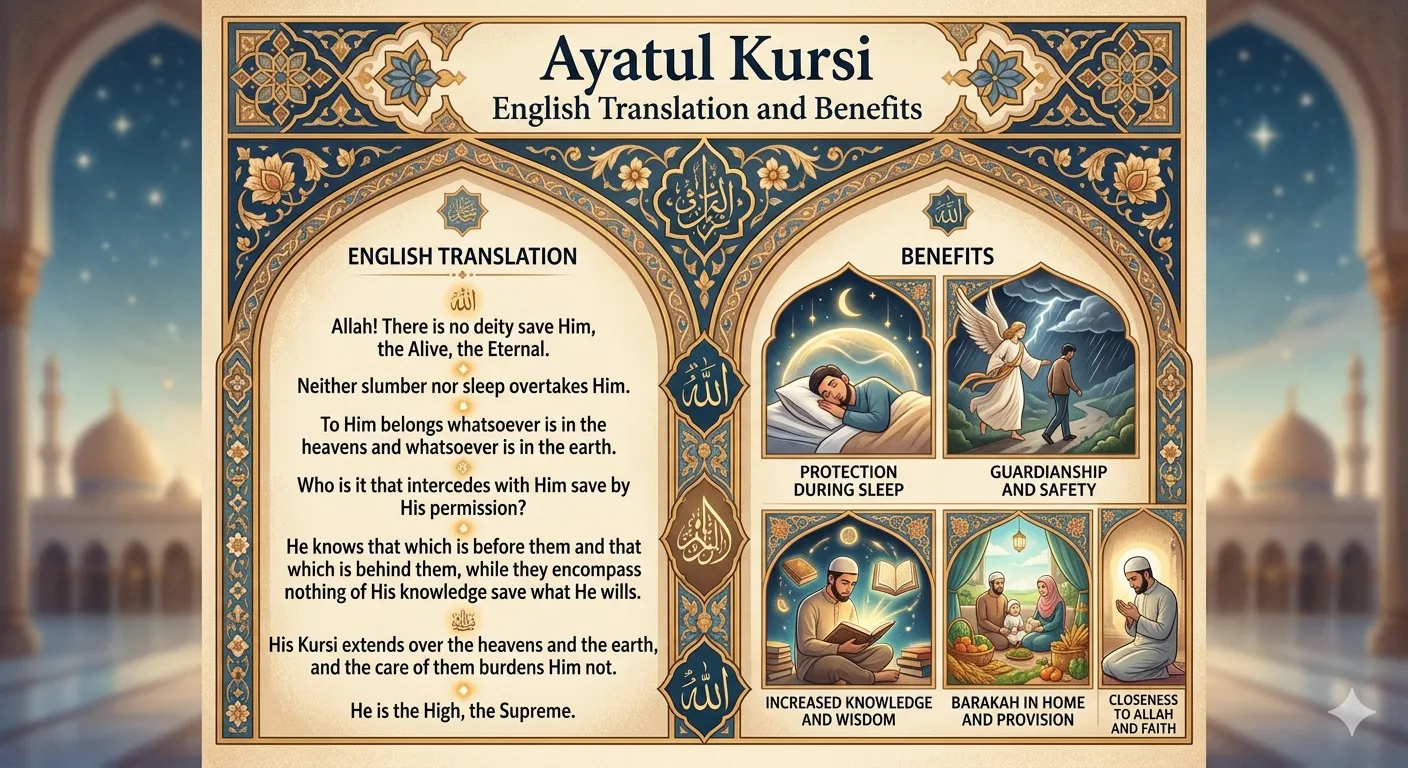
Ayatul Kursi English Translation and Benefits
3 months ago
Prophetic Supplications for Calming the Anxious Heart
3 months agoOur Mobile App
Download our Faziletli Dualar mobile app to access all supplications and spiritual guides instantly from your phone.
Download NowPopular Prayers
So remember Me; I will remember you. (Quran 2:152)